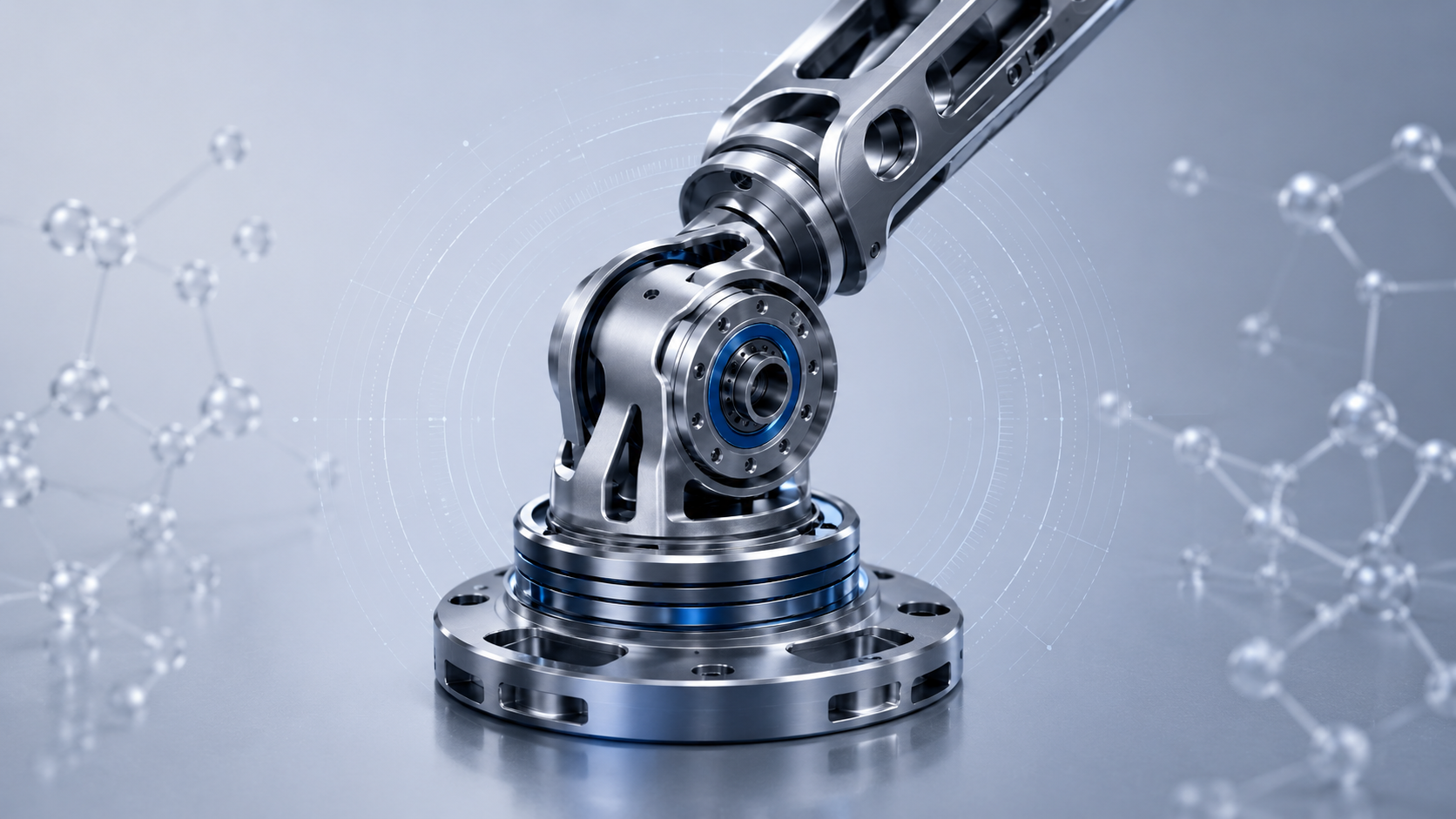
Robot Joint
Core amorphous metal joint component for robotic motion accuracy, response speed, repeatability and long lifespan.

As industrial robots, service robots, surgical robots and collaborative robots evolve towards lightweight, high precision, high responsiveness and long lifespan, traditional metal materials are increasingly failing to meet the stringent requirements of high-end equipment.
Traditional aluminum alloys, stainless steel and titanium alloy joint materials generally suffer from bottlenecks such as excessive weight, elastic hysteresis, limited fatigue life, and susceptibility to micro-deformation during high-frequency movements, making it difficult to meet the extreme requirements of collaborative robots, industrial precision robots and medical surgical robots for lightweight design, high sensitivity, and long lifespan.
Robot joints are the core components for the robot's movement. Load-bearing and positioning directly determine the robot's motion accuracy, response speed, repeatability and lifespan.
Amorphous alloys with their unique advantages such as ultra-high specific strength, excellent elastic recovery, fatigue resistance and high-precision molding have become the ideal structural material for next-generation high-end robot joints.
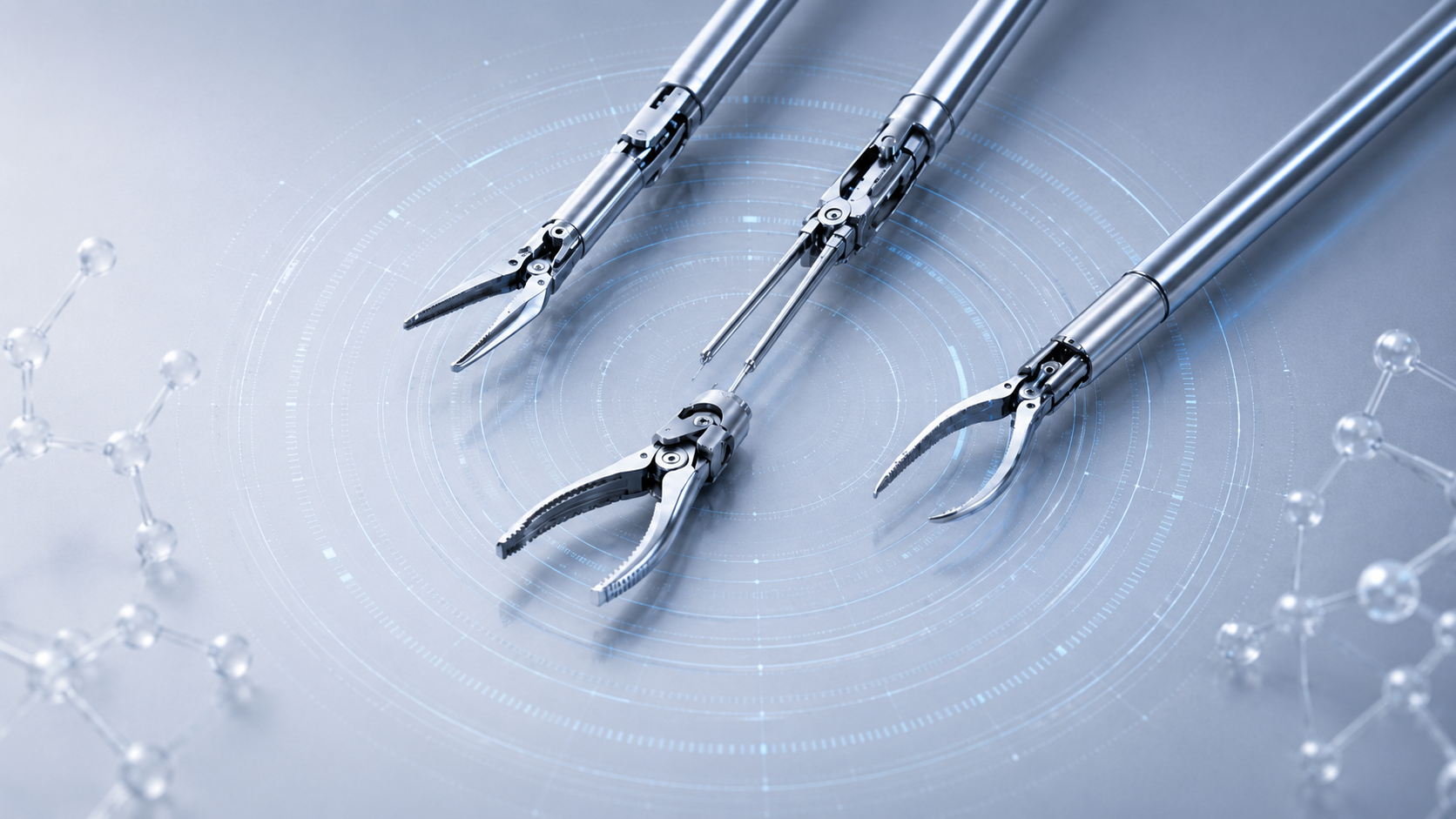
Surgical robots are core equipment in modern minimally invasive surgery and precision medicine. Their end effectors and micro-manipulation components directly determine surgical precision, incision size and postoperative recovery outcomes.
Amorphous alloys have become the optimal upgrade material for micro-instruments used in high-end surgical robots due to their ultra-high hardness, ultra-elasticity, zero-grain-boundary dense structure, excellent biocompatibility and sterilization resistance.
Send drawings, dimensions, material requirements or surgical instrument specifications for technical evaluation.
Explore representative amorphous metal robotic components for robot joints, precision transmission, sensing units, flexible actuators and robotic surgery systems.
Core amorphous metal joint component for robotic motion accuracy, response speed, repeatability and long lifespan.
High-precision amorphous metal tools for surgical robots, minimally invasive procedures and micro-manipulation systems.
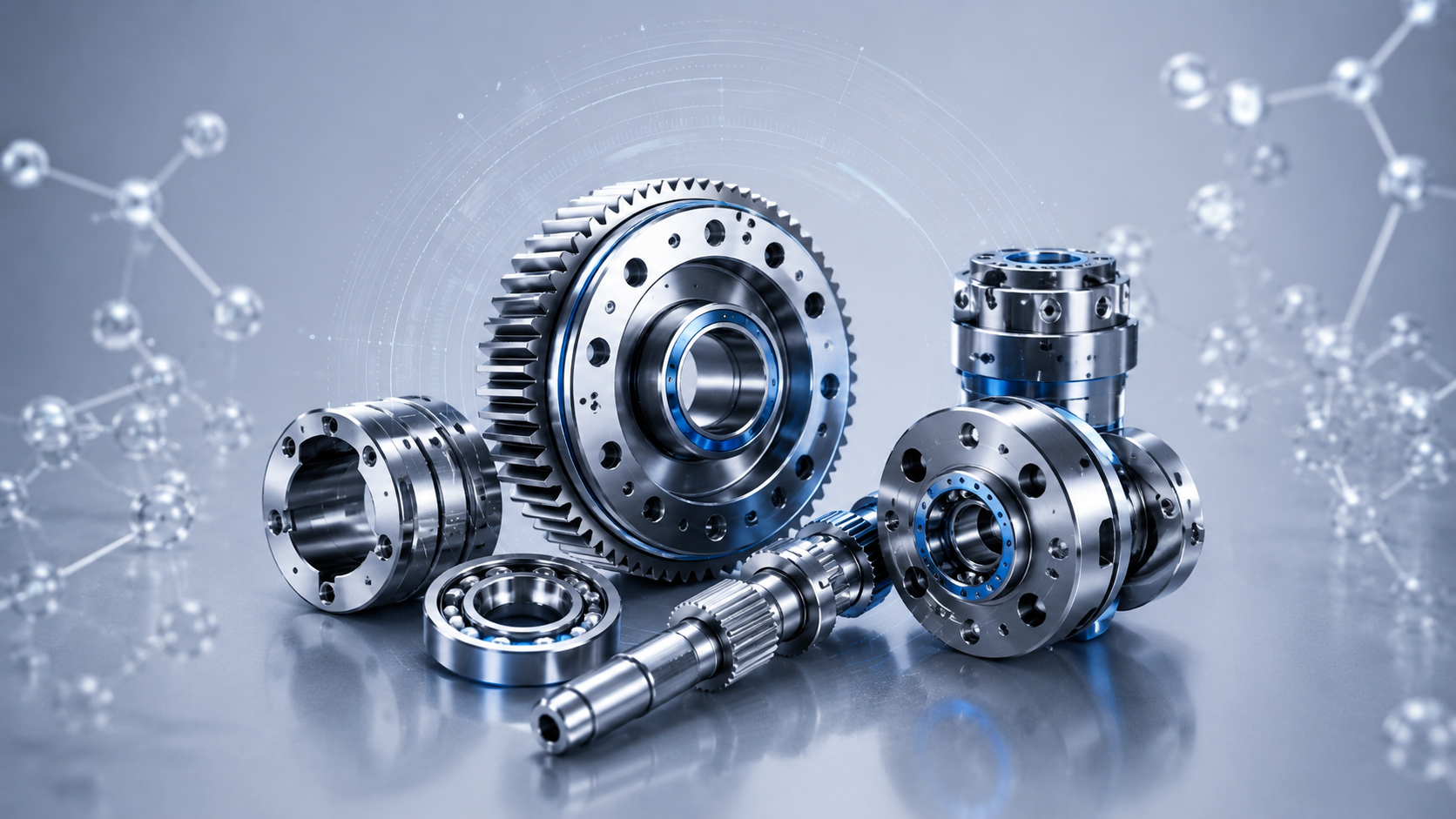
Precision amorphous alloy transmission parts with high strength, fatigue resistance and dimensional stability for high-end robots.
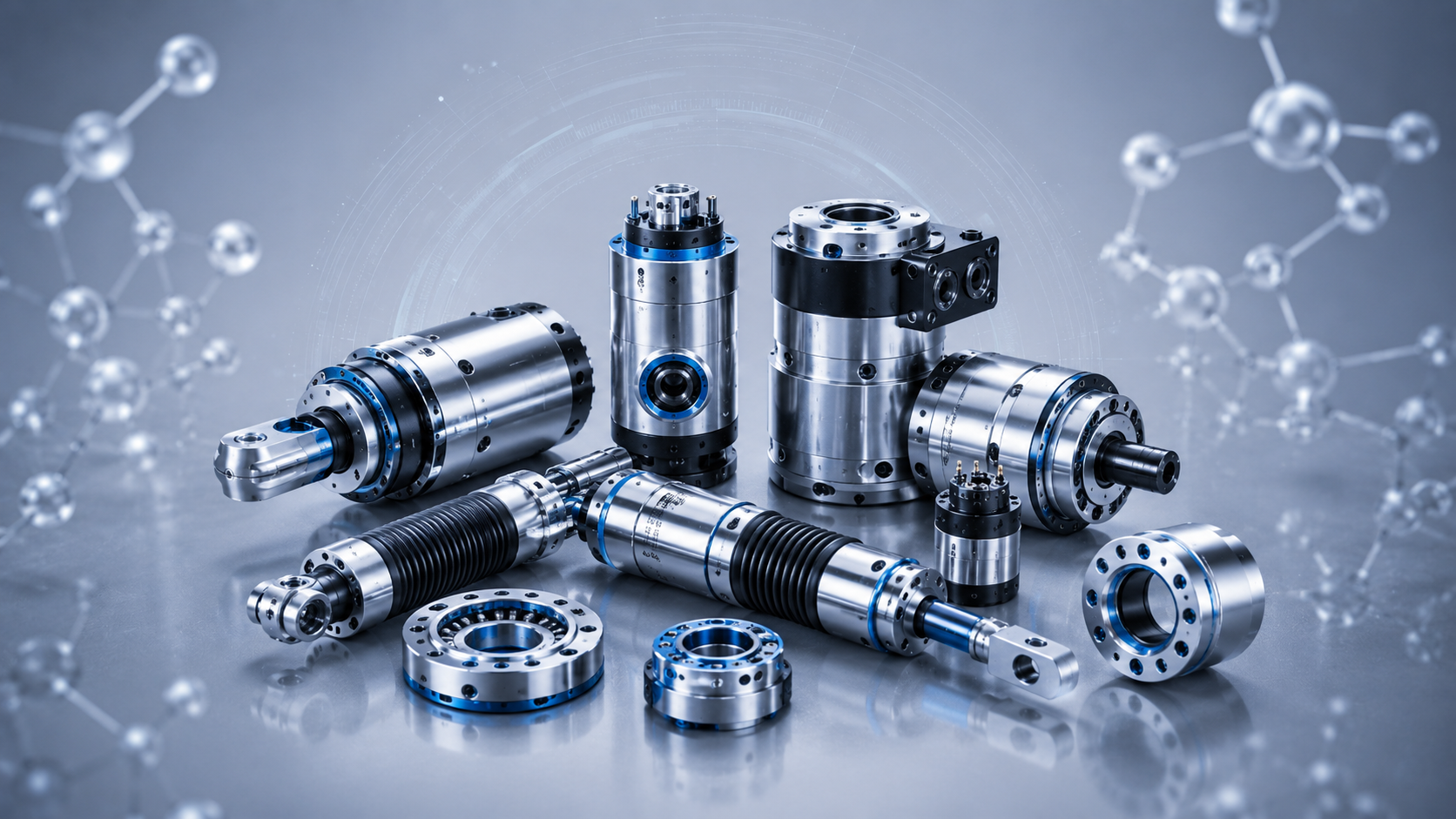
Advanced amorphous metal components for lightweight robotic structures, sensing units and fast-response actuator systems.
Send drawings, dimensions, material requirements or robotic application details for technical evaluation.
Robotic amorphous metal products are used in robot joints, transmission components, sensing units, flexible actuators, surgical robot instruments, industrial robots, service robots and collaborative robots.
Amorphous alloys offer high specific strength, excellent elastic recovery, fatigue resistance and high-precision molding, making them suitable for robot joints that require motion accuracy, response speed, repeatability and long service life.
Traditional aluminum alloys, stainless steel and titanium alloys may suffer from excessive weight, elastic hysteresis, limited fatigue life and micro-deformation during high-frequency movements, which can affect robotic accuracy and long-term reliability.
Yes. Due to their high strength and material efficiency, amorphous alloys can help reduce component weight while maintaining structural performance, making them suitable for lightweight industrial robots, service robots and collaborative robots.
Yes. Amorphous alloys provide ultra-high hardness, ultra-elasticity, a dense grain-boundary-free structure, biocompatibility and sterilization resistance, making them suitable for micro-instruments used in high-end surgical robots.
Amorphous alloys can be used for mechanical structures, precision transmission components, sensing units, flexible actuators, robotic joint parts and end-effectors for minimally invasive robotic surgery systems.
Yes. Customers can send drawings, dimensions, material requirements or robotic application details for technical evaluation. Custom components can be developed for industrial robots, collaborative robots, service robots and surgical robot systems.
Send us your drawings, application requirements or robotic component specifications. Our technical team will help evaluate suitable amorphous alloy materials, forming processes and component solutions for robot joints, transmission parts, sensing units and robotic surgery instruments.